Archives
- 2026-07
- 2026-06
- 2026-05
- 2026-04
- 2026-03
- 2026-02
- 2026-01
- 2025-12
- 2025-11
- 2025-10
- 2025-09
- 2025-03
- 2025-02
- 2025-01
- 2024-12
- 2024-11
- 2024-10
- 2024-09
- 2024-08
- 2024-07
- 2024-06
- 2024-05
- 2024-04
- 2024-03
- 2024-02
- 2024-01
- 2023-12
- 2023-11
- 2023-10
- 2023-09
- 2023-08
- 2023-07
- 2023-06
- 2023-05
- 2023-04
- 2023-03
- 2023-02
- 2023-01
- 2022-12
- 2022-11
- 2022-10
- 2022-09
- 2022-08
- 2022-07
- 2022-06
- 2022-05
- 2022-04
- 2022-03
- 2022-02
- 2022-01
- 2021-12
- 2021-11
- 2021-10
- 2021-09
- 2021-08
- 2021-07
- 2021-06
- 2021-05
- 2021-04
- 2021-03
- 2021-02
- 2021-01
- 2020-12
- 2020-11
- 2020-10
- 2020-09
- 2020-08
- 2020-07
- 2020-06
- 2020-05
- 2020-04
- 2020-03
- 2020-02
- 2020-01
- 2019-12
- 2019-11
- 2019-10
- 2019-09
- 2019-08
- 2019-07
- 2019-06
- 2019-05
- 2019-04
- 2018-11
- 2018-10
- 2018-07
-
The evaluation of internal exposure in
2020-12-14
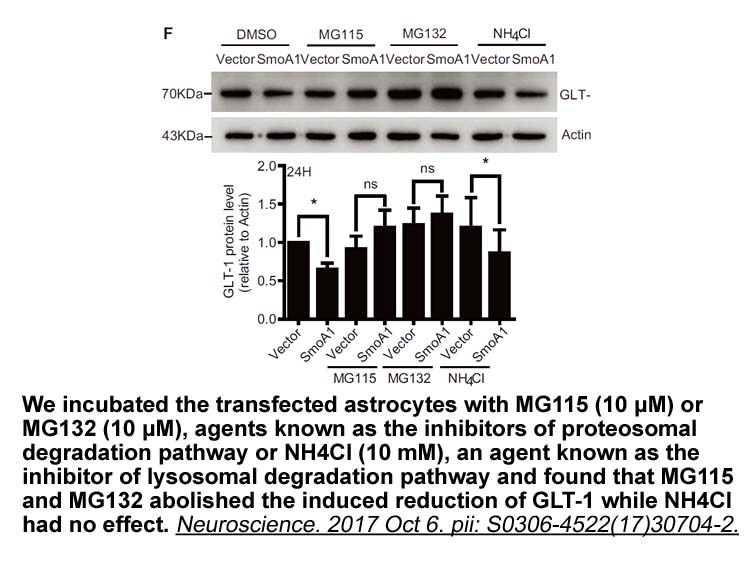
The evaluation of internal exposure in workers with omethoate is challenging. Unfortunately, OPs are metabolized and excreted quickly in the urine usually within 24–48 h of exposure, and the variation in metabolic rates exists. Many factors influence daily urinary output, such as salt intake, urea a
-
br Materials and methods br Results br Discussion
2020-12-14
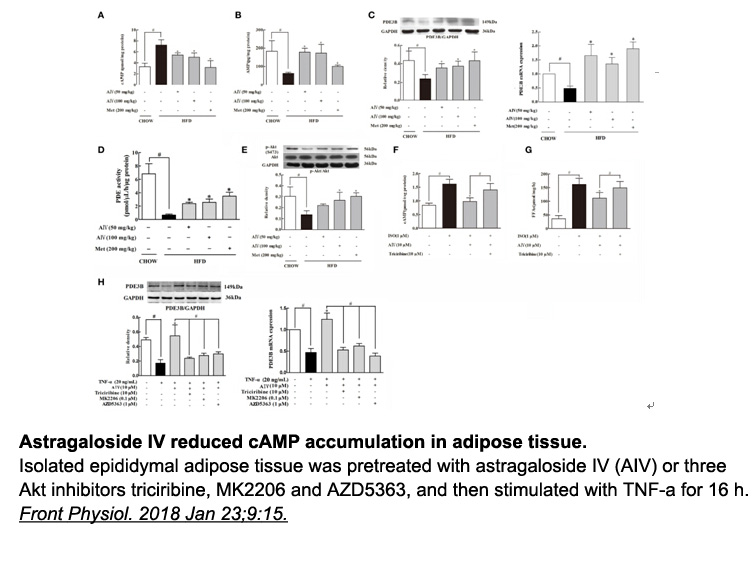
Materials and methods Results Discussion In this study, we confirmed the activation of Akt by udenafil in 3T3-L1 cells. To elucidate the underlying mechanism of udenafil, we focused on the mitochondria. Our findings demonstrated that udenafil improved mitochondrial function and expression o
-
br torsion is a urological
2020-12-14
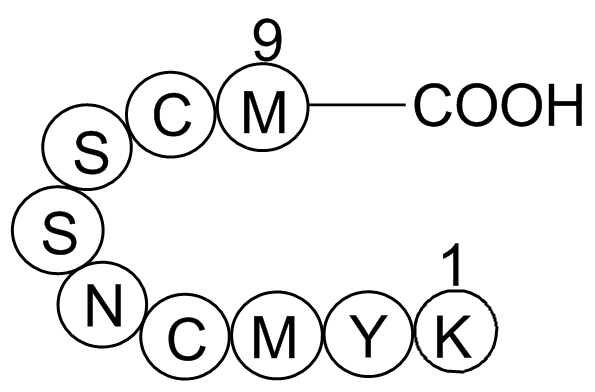
torsion is a urological emergency that may occur at any age. To establish blood flow surgical detorsion is required in most cases while detorsion can sometimes be achieved by hand assistance. Regardless of the correction method 2 phases (I/R) negatively affect germ cells. The torsion phase decreas
-
The underlying mechanisms of how progesterone prolongs pregn
2020-12-14
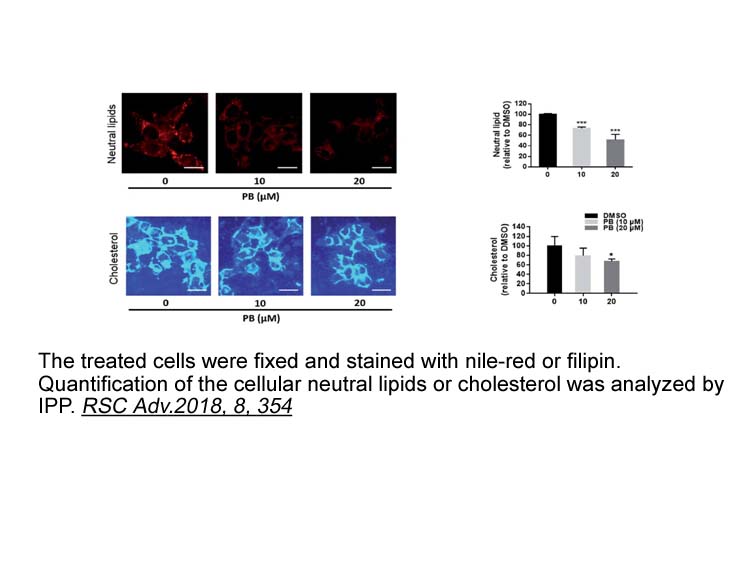
The underlying mechanisms of how progesterone prolongs pregnancy, although not completely understood, are thought to have to do with reduction in uterine contractility, antimicrobial protein up-regulation, immunosuppression, and inflammatory inhibition. Specific to preterm PROM, progesterone has bee
-
endothelin receptor antagonist br Introduction Breast cancer
2020-12-14
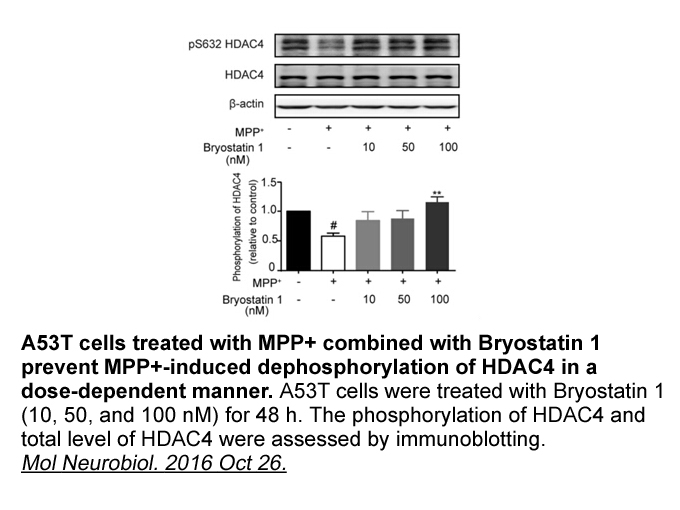
Introduction Breast cancer is the most common cancer in women and one of the leading causes of death worldwide. Estrogen receptor alpha (ERα, “wild-type” estrogen receptor), encoded by the estrogen receptor1 (ESR1) gene, is expressed in approximately 70% of all breast cancers. Hormonal therapy ha
-
The presence of a vicious cycle
2020-12-14
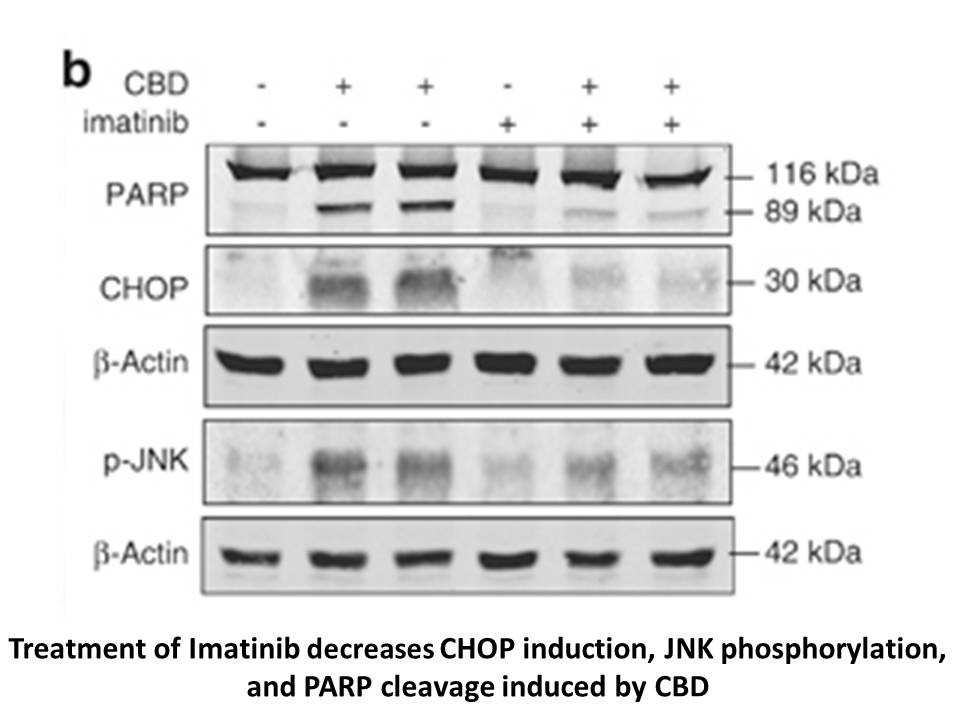
The presence of a “vicious cycle” established between tumor proliferation and paratumor osteolysis plays a crucial role in the development of primary bone tumors [53]. Cancer cells produce soluble factors that activate directly or indirectly via osteoblasts, osteoclast differentiation and maturation
-
The H E staining and
2020-12-14

The H&E staining and Nissl staining results showed that damage to the pyramidal neurons in the CA1 and CA3 regions of the hippocampus were observed in the 50 mg/kg/day DBP group, accompanied by an absence of Nissl bodies, suggesting that DBP exposure can lead to pathological changes in the neurons o
-
Our results demonstrate that pt PGE in addition to
2020-12-14

Our results demonstrate that 17-pt-PGE2 - in addition to its described effects on EP1 and EP3 receptors - also acts as an EP4 agonist and thereby enhances vascular barrier function. Materials and methods Results Discussion In this study we demonstrate that the purported EP1/EP3 receptor ag
-
To compare the phage of the th
2020-12-14
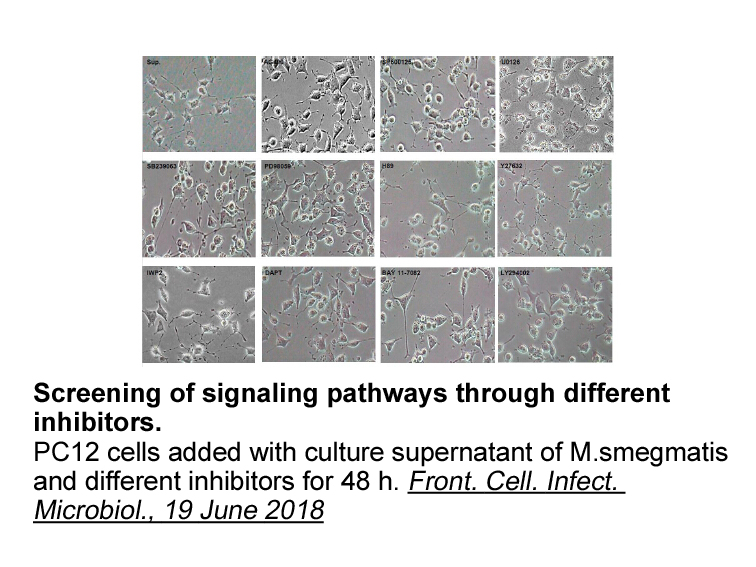
To compare the phage of the 4th round results, we conducted isolated single rounds of FGE screening as described above for the 4 individual phage 4(1), 4(2), 4(3), and NC then determined the number of colony forming units afforded by cleavage from the support. Interestingly, we found that the 4(2) s
-
br Cytochrome P monooxygenases Cytochrome P monooxygenases P
2020-12-12
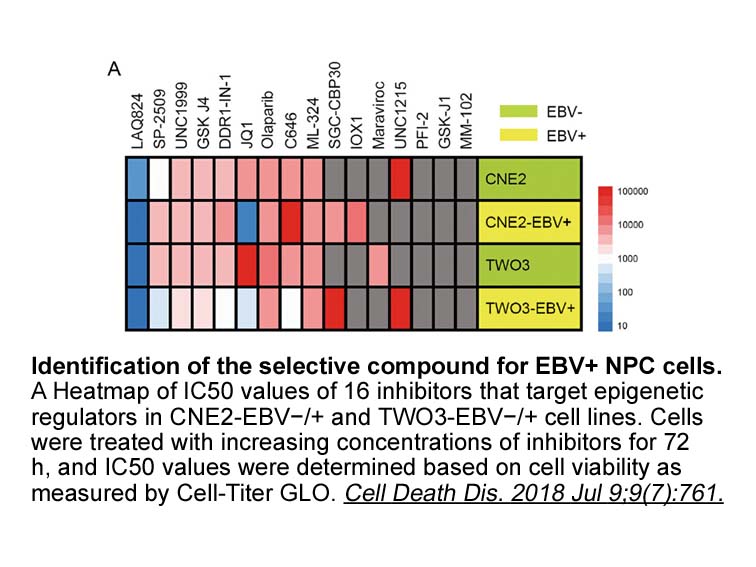
Cytochrome P450 monooxygenases Cytochrome P450 monooxygenases (P450s) belong to one of Nature’s most versatile group of enzymes for C–H functionalization and are able to perform challenging regioselective and stereoselective activations of remote, unactivated C(sp3)–H bonds, for which there are o
-
Studies have shown that endothelial cells damaged by SAH
2020-12-12
Studies have shown that endothelial cells damaged by SAH can release a large amount of ET-1, thus its plasma level is elevated and is positively correlated with the symptoms of SAH (Lei et al., 2015, Masaoka et al., 1989). Our data obtained from SAH-along rabbits were consistent with these findings.
-
Elastase belongs to chymotrypsin family of proteases and it
2020-12-12

Elastase belongs to chymotrypsin family of proteases and it is responsible for the breakdown of elastin and other proteins, such as collagen and fibronectin, which are fundamental for the ECM elastic properties (Imokawa and Ishida, 2015). Misregulations of this enzyme are involved in skin ageing pro
-
The hepatic cytochrome P CYP superfamily is essential
2020-12-12
The hepatic cytochrome P450 (CYP450) superfamily is essential for metabolising foreign chemicals, fatty acids, vitamins, hormones and other compounds and consists of 18 subfamilies (Uno et al., 2012). The number of discovered CYP genes is increasing as a result of intense work with CYP450 gene stru
-
Another critical finding in this study is
2020-12-12
Another critical finding in this study is that the level of αSyn oligomers in the SN of σ1R−/− mice was progressively increased with age, whereas the levels of αSyn monomers and αSyn messenger RNA (data not shown) were not altered compared to WT mice. A number of studies reported that soluble αSyn m
-
br Conclusion The present study is the first to
2020-12-12
Conclusion The present study is the first to provide in vivo evidence that the σ1R deficiency can cause age-related increases in aggregation and phosphorylation of αSyn in dopaminergic neurons of SNpc. The σ1R has been reported to be decreased in the d-glucose region of the nigrostriatal dopamin
16981 records 793/1133 page Previous Next First page 上5页 791792793794795 下5页 Last page