Archives
- 2026-07
- 2026-06
- 2026-05
- 2026-04
- 2026-03
- 2026-02
- 2026-01
- 2025-12
- 2025-11
- 2025-10
- 2025-09
- 2025-03
- 2025-02
- 2025-01
- 2024-12
- 2024-11
- 2024-10
- 2024-09
- 2024-08
- 2024-07
- 2024-06
- 2024-05
- 2024-04
- 2024-03
- 2024-02
- 2024-01
- 2023-12
- 2023-11
- 2023-10
- 2023-09
- 2023-08
- 2023-07
- 2023-06
- 2023-05
- 2023-04
- 2023-03
- 2023-02
- 2023-01
- 2022-12
- 2022-11
- 2022-10
- 2022-09
- 2022-08
- 2022-07
- 2022-06
- 2022-05
- 2022-04
- 2022-03
- 2022-02
- 2022-01
- 2021-12
- 2021-11
- 2021-10
- 2021-09
- 2021-08
- 2021-07
- 2021-06
- 2021-05
- 2021-04
- 2021-03
- 2021-02
- 2021-01
- 2020-12
- 2020-11
- 2020-10
- 2020-09
- 2020-08
- 2020-07
- 2020-06
- 2020-05
- 2020-04
- 2020-03
- 2020-02
- 2020-01
- 2019-12
- 2019-11
- 2019-10
- 2019-09
- 2019-08
- 2019-07
- 2019-06
- 2019-05
- 2019-04
- 2018-11
- 2018-10
- 2018-07
-
Recent studies have also uncovered
2021-01-06
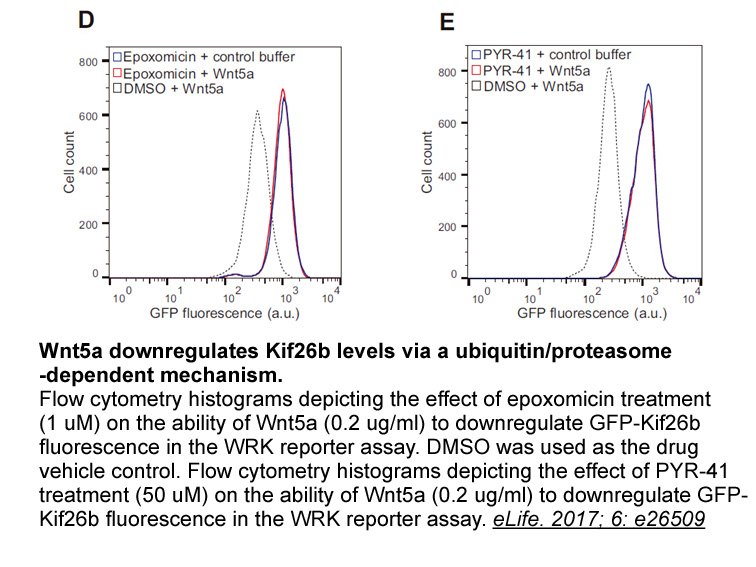
Recent studies have also uncovered additional roles for E2 enzymes and E2~Ub conjugates in modulating the activity of deubiquitinating enzymes (DUBs), such as OTUB1 (Juang et al., 2012, Wiener et al., 2013, Wiener et al., 2012). Interestingly, OTUB1 has also been shown to associate and modulate the
-
Compounds were synthesized using a facile step
2021-01-06
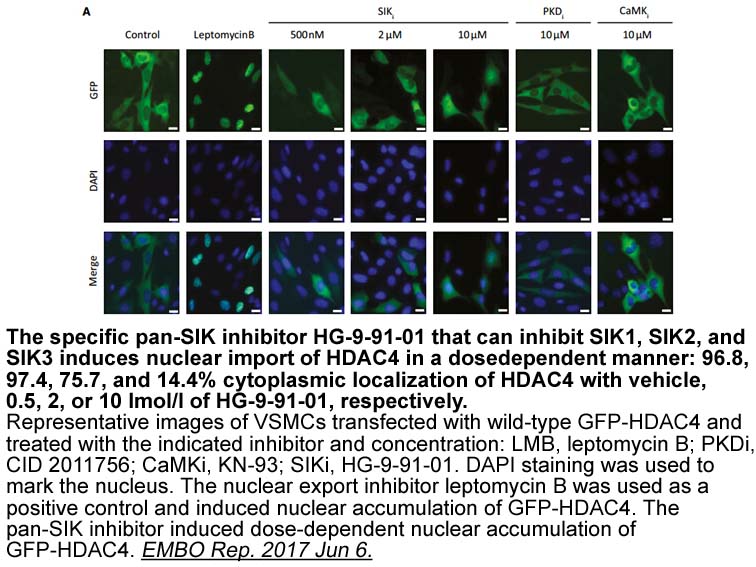
Compounds were synthesized using a facile 8-step convergent synthesis ( and ). Briefly, (Boc)cyclen (compound ) was coupled using TBTU to Fmoc- or Cbz-protected amino alkyl acids (–), followed by deprotection using 20% piperidine in DMF, or H on Pd/C, respectively (–) (). Deprotected linkers were co
-
COH inhibited global SUMOylation in cells and blocked the
2021-01-06

COH000 inhibited global SUMOylation in glucagon receptor and blocked the E1 catalyzed attachment of SUMO to the corresponding conjugating enzyme Ubc9, but not the attachment of ubiquitin or NEDD8 to their respective E2s, confirming inhibition and specificity in cellulo. Consistent with previous stud
-
Quercetin competitively inhibited BFC activity in human
2021-01-06
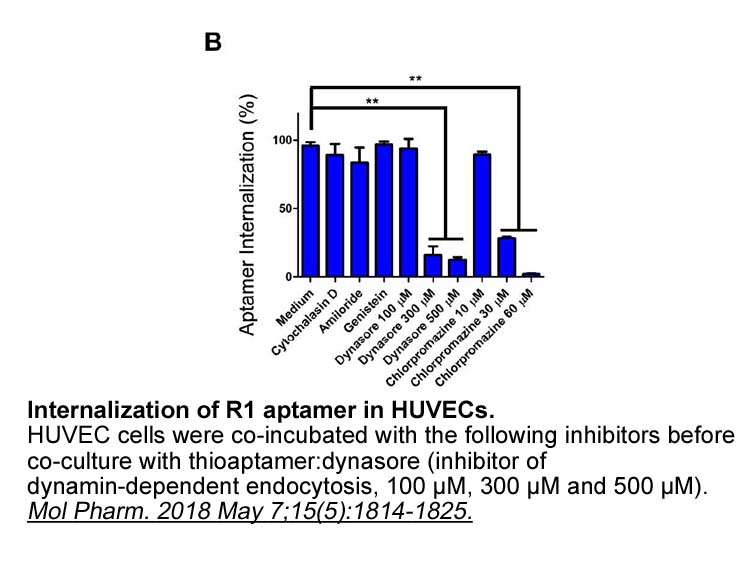
Quercetin competitively inhibited BFC activity in human recombinant cDNA-expressed CYP3A4 with Ki=15.4±1.52μM, and myricetin noncompetitively with Ki=74.6±7.99μM (Fig. 4). The degree of inhibition by quercetin was not affected by a pre-incubation step and was similar in the microsomes from both gend
-
Regarding the mechanism of action of CRF
2021-01-06
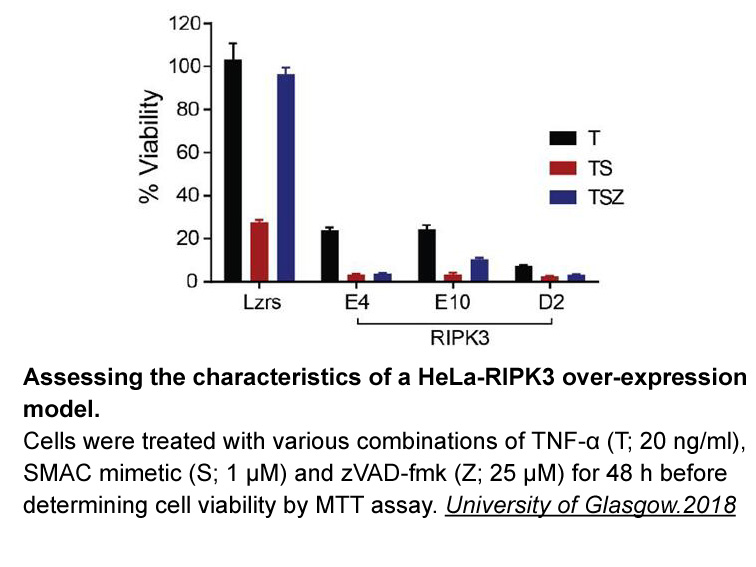
Regarding the mechanism of action of CRF, several studies have shown that low doses of CRF may preferentially activate CRF1 receptors in glutamatergic projection neurons, serotoninergic neurons or glutamatergic collaterals in the medial prefrontal cortex (Vertes, 2004). Indeed, prosencephalic inacti
-
Dig-11-utp mg Based on both the observational and theoretica
2021-01-05
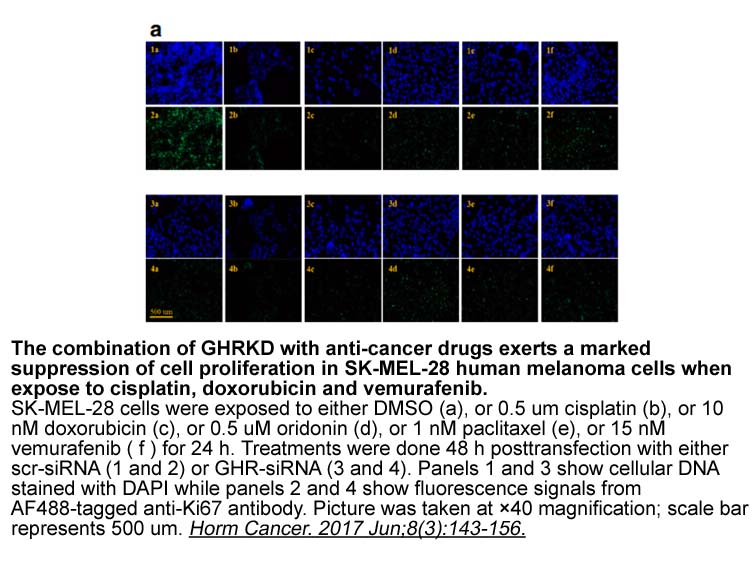
Based on both the observational and theoretical data generated in this study, it appears that the mechanism(s) underlying lower IFM CPT1 activity is complex. Modeling enzyme activity versus alterations in catalytic efficiency (Fig. 3A) suggests that the observed age-associated changes in Km and Vmax
-
5-Methyl-CTP In contrast to PEGylated proteins which tend to
2021-01-05

In contrast to PEGylated proteins which tend to have reduced 5-Methyl-CTP in the body relative to their native counterparts, proteins conjugated to albumin tend to accumulate in certain locales in vivo. This means that albumin-based drug carrier systems have particular applications in the field of c
-
Rambabu et al reported A series of novel N
2021-01-05
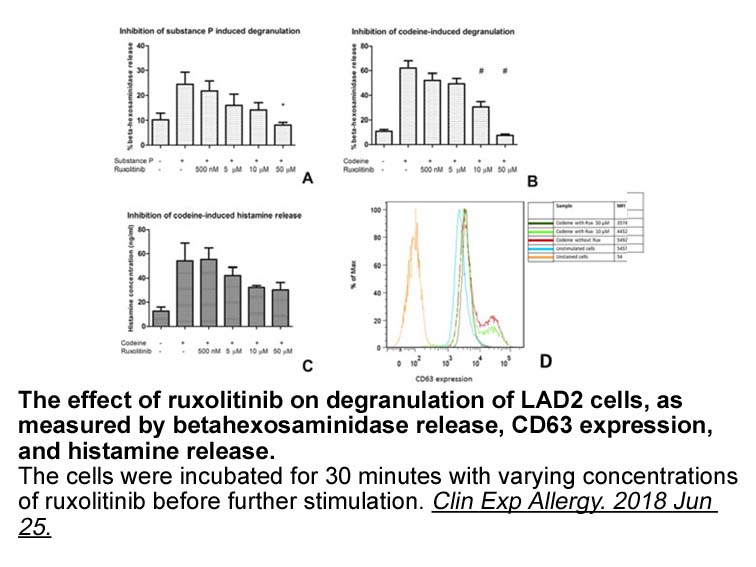
Rambabu et al. reported A series of novel N-substituted 2-(2-oxo-2H-chromen-4-yloxy)propanamide derivatives synthesized from readily available 4-hydroxy coumarin to the corresponding ethyl 2-(2-oxo-2H-chromen-4-yloxy)propanoate followed by hydrolysis and further reacted with different substituted am
-
The immune control of CMV replication in vivo is primarily
2021-01-05
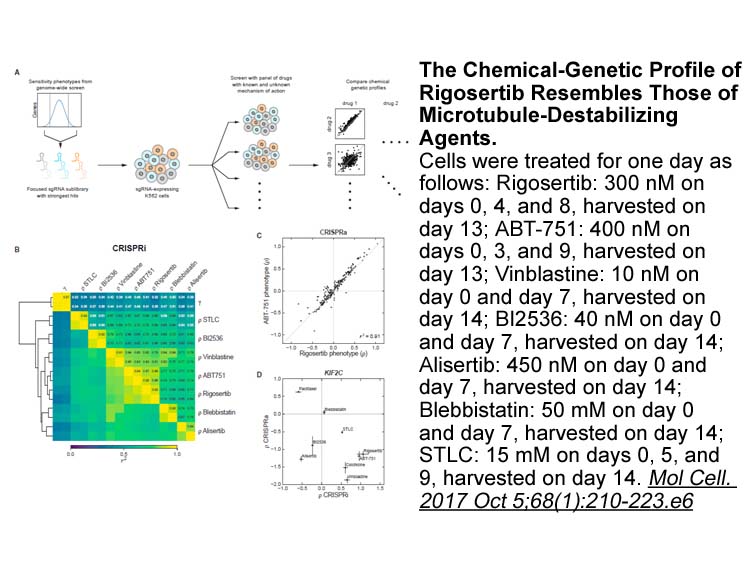
The immune control of CMV replication in vivo is primarily driven by the T-cell-mediated response, a characteristic that has been proposed as a tool to individualize and therefore to optimize antiviral treatment [6], [7], and it has been associated with spontaneous clearance of CMV viraemia in patie
-
br Funding This work was
2021-01-05
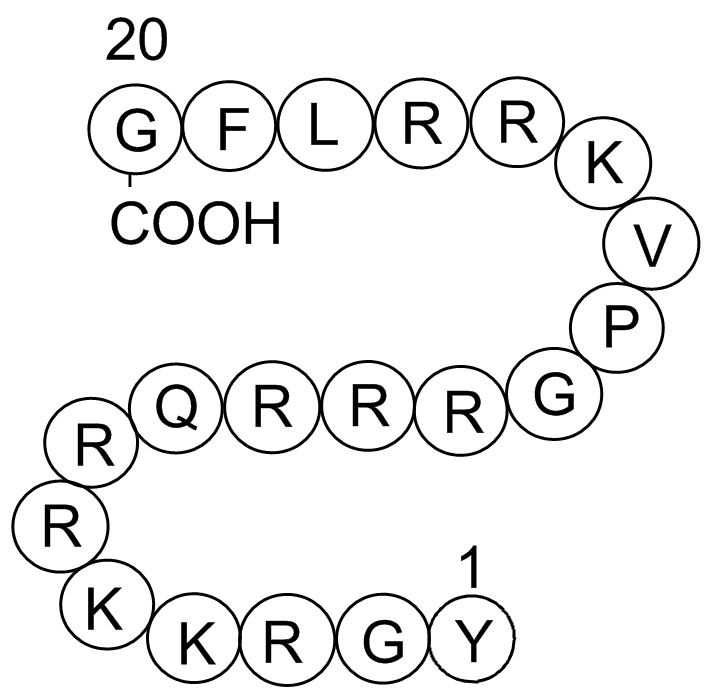
Funding This work was supported by the Natural Science Foundations of China (81072327 and 81273114), Research Fund for the Doctoral Program of Higher Education of China (20103234110005), Key Program of Educational Commission of Jiangsu Province of China (11KJA330002), and a Project Funded by the
-
As for the molecular mechanism Ferguson BD suggested
2021-01-05
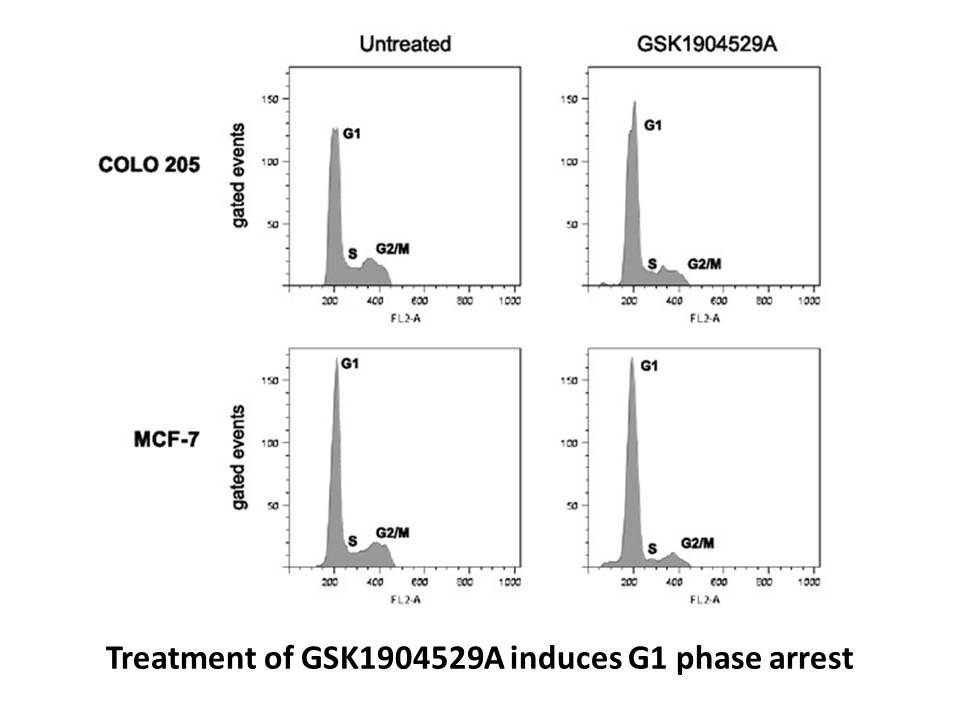
As for the molecular mechanism, Ferguson BD suggested that EphB4/EphrinB2 stimulation induced topoisomerase I activity in small cell lung cancer cell lines. Treatment of Droxinostat with EphrinB2/Fc induced topoisomerase activity as assessed by DNA relaxation in cells with high EphB4 expression lev
-
Interestingly anti inflammatory actions for sPLA V were also
2021-01-05
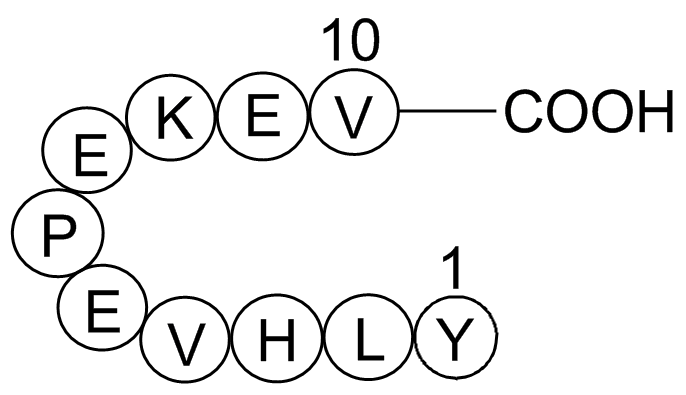
Interestingly, anti-inflammatory actions for sPLA2-V were also described in mice a few years ago in a model of autoimmune complex mediated arthritis [148]. A novel mechanism was delineated, whereby sPLA2-V promotes phagocytosis of immune complexes by macrophages to ameliorate inflammation in autoimm
-
In mice our EBI EGFP reporter showed that EBI
2021-01-05
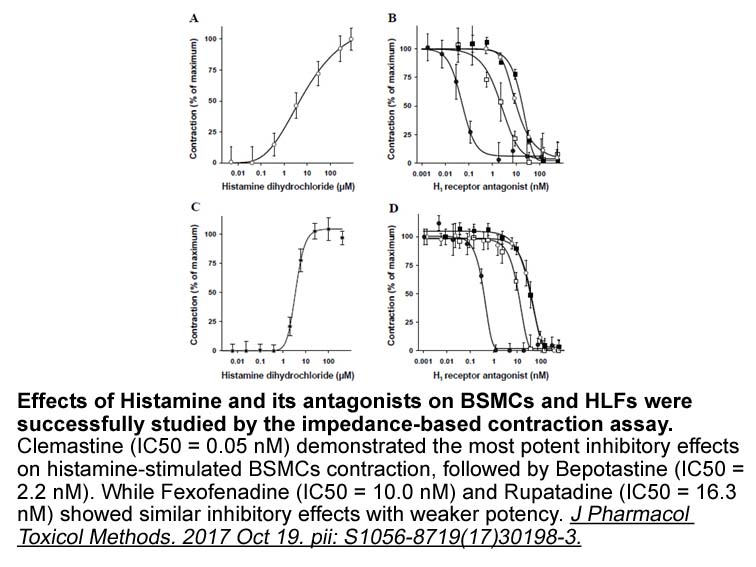
In mice, our EBI2EGFP reporter showed that EBI2 is expressed consistently in naive T helper cells. Already single positive CD4+ thymocytes express EBI2 (not shown). In effector and regulatory T cells in naive mice, the percentage of EBI2 expression was lower (∼40%). Like others (Liu et al., 2011), w
-
The UPP broadly involves proteolysis in biochemical processe
2021-01-05

The UPP broadly involves proteolysis in biochemical processes and is a potential target for cancer therapy. The UPP degrades unfolding or damaged proteins by an ATP-dependent mechanism (Ciechanover, Elias, Heller, Ferber, & Hershko, 1980). It also plays an important role in SC 560 regulation, DNA d
-
Pathological changes in animal are powerful
2021-01-05
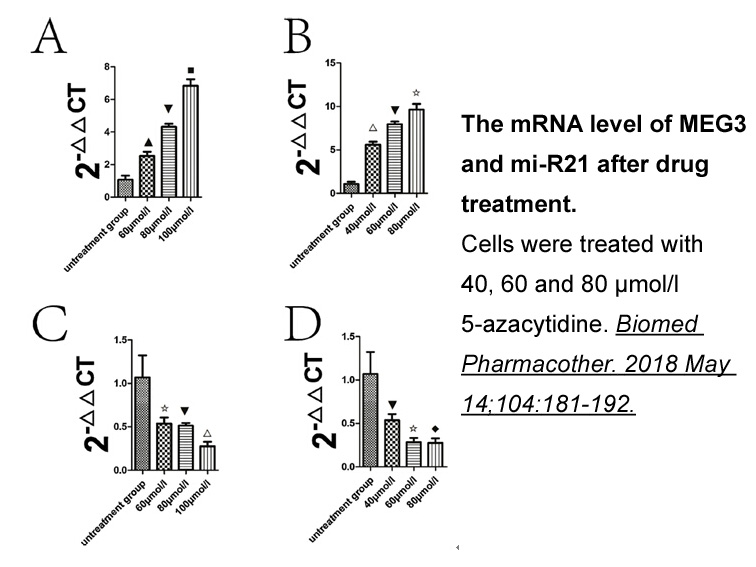
Pathological changes in animal are powerful indicators of the exposure to environmental stressors. The liver serves as an appropriate organ for the study of pollutant effects because of its high capacity to accumulate pollutant and its susceptibility to histopathological damage by pollutants (Padmin
16981 records 781/1133 page Previous Next First page 上5页 781782783784785 下5页 Last page