Archives
- 2026-07
- 2026-06
- 2026-05
- 2026-04
- 2026-03
- 2026-02
- 2026-01
- 2025-12
- 2025-11
- 2025-10
- 2025-09
- 2025-03
- 2025-02
- 2025-01
- 2024-12
- 2024-11
- 2024-10
- 2024-09
- 2024-08
- 2024-07
- 2024-06
- 2024-05
- 2024-04
- 2024-03
- 2024-02
- 2024-01
- 2023-12
- 2023-11
- 2023-10
- 2023-09
- 2023-08
- 2023-07
- 2023-06
- 2023-05
- 2023-04
- 2023-03
- 2023-02
- 2023-01
- 2022-12
- 2022-11
- 2022-10
- 2022-09
- 2022-08
- 2022-07
- 2022-06
- 2022-05
- 2022-04
- 2022-03
- 2022-02
- 2022-01
- 2021-12
- 2021-11
- 2021-10
- 2021-09
- 2021-08
- 2021-07
- 2021-06
- 2021-05
- 2021-04
- 2021-03
- 2021-02
- 2021-01
- 2020-12
- 2020-11
- 2020-10
- 2020-09
- 2020-08
- 2020-07
- 2020-06
- 2020-05
- 2020-04
- 2020-03
- 2020-02
- 2020-01
- 2019-12
- 2019-11
- 2019-10
- 2019-09
- 2019-08
- 2019-07
- 2019-06
- 2019-05
- 2019-04
- 2018-11
- 2018-10
- 2018-07
-
Completion of h of education was significant in
2021-04-22
Completion of 150 h of education was significant in virtually all prior studies of the 150-h requirement (Allen and Woodland, 2006, Boone et al., 2006 and others). While the 150-h requirement applies to licensure, students are often permitted (as in California) to sit for the CPA exam with fewer tot
-
It is well known that the tumor
2021-04-22
It is well known that the tumor suppressor p53 plays an important role in regulating the T7 High Yield RNA and cellular senescence [43,46,48]. For example, FOXO4 could interact with P53, which selectively induced apoptosis in senescent cells [48]. In addition, loss of MECP2 was found to lead to the
-
Although the control group and tinnitus group do not
2021-04-22
Although the control group and tinnitus group do not significantly differ based on age, gender or hearing loss, a limitation of this study is that the control group is only group-matched, and not individually matched. Furthermore, we only tested hearing acuity in tinnitus patients via standard pure
-
The four other mutations S T V I
2021-04-22
The four other mutations (S281T, V317I, T328A and A329S) were not detected in the absence of the A286S. This could suggest that when all of them are present, there would be a tri-dimensional structural modification that would interfere with the binding of the insecticide and produce different levels
-
In the present study we determined concentration response
2021-04-22
In the present study, we determined concentration–response relationships for selected synthetic progestogens using in vitro luciferase transactivation assays driven by PR, ARα and ARβ from Murray–Darling rainbowfish () and compared the profiles with those obtained from similar assays based on human
-
Oxidative stress is associated with
2021-04-22
Oxidative stress is associated with elevated levels of intracellular reactive oxygen species (ROS) generation which then causes DNA damage and the death of cells (Miyata et al., 2017). Generation of ROS affects main signaling pathways in cells associated with tumorigenesis: mitogen activated protein
-
Estrogen related receptors ERRs are orphan nuclear receptors
2021-04-22
Estrogen-related receptors (ERRs) are orphan nuclear receptors and have three members including ERRα, ERRβ, and ERRγ (Yasumoto et al., 2007). Though they are termed as ERRs due to the sequence homology with estrogen receptors, they don’t need to bind estrogens to exert action. Generally, ERRs bind t
-
The best characterized APC C substrates are recruited via
2021-04-21
The best-characterized APC/C substrates are recruited via various linear motifs (e.g., D boxes, KEN boxes, and ABBA motifs) that serve as degrons, binding to distinct regions of the β-propeller domain of a coactivator (Figure 1, Figure 3B) (reviewed in [44]). In addition, D boxes also simultaneously
-
DSBs can be repaired by two
2021-04-21
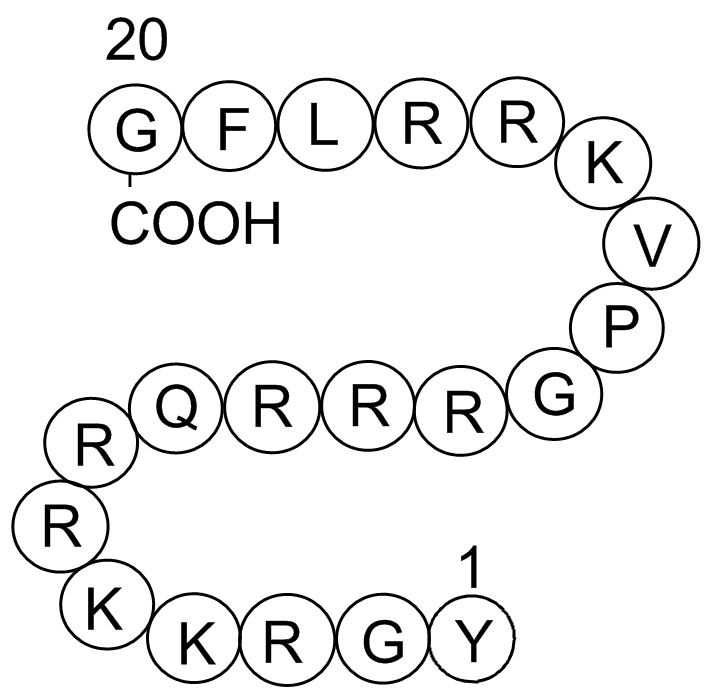
DSBs can be repaired by two major pathways: canonical non-homologous end-joining (c-NHEJ) and homologous recombination (HR) (Chapman et al., 2012). c-NHEJ comprises two sub-pathways, a resection-independent process and a resection-dependent process, and can rejoin break ends with little or no sequen
-
br Results br Discussion The results showed
2021-04-21

Results Discussion The results showed a surprising PSI-7977 of DNA in stains even at extreme environmental conditions (35–65 °C, 100% relative humidity), provided the stains had been dried prior to incubation. We had expected a rapid decay of DNA at high relative humidity but observed, on the
-
br Materials and methods br
2021-04-21
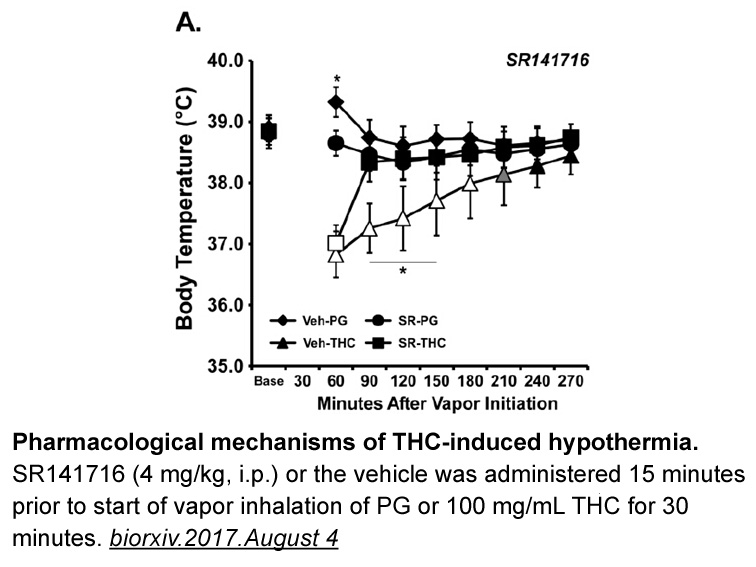
Materials and methods Results Discussion ParI, the first C5-DNA-MTase from a psychrophilic bacterium to be characterized, displays DNA methylation activity in vivo and in vitro. Its biophysical characteristics are consistent with large regions of disorder including thermal unfolding transit
-
If the factors needed for A NHEJ are not completely
2021-04-21
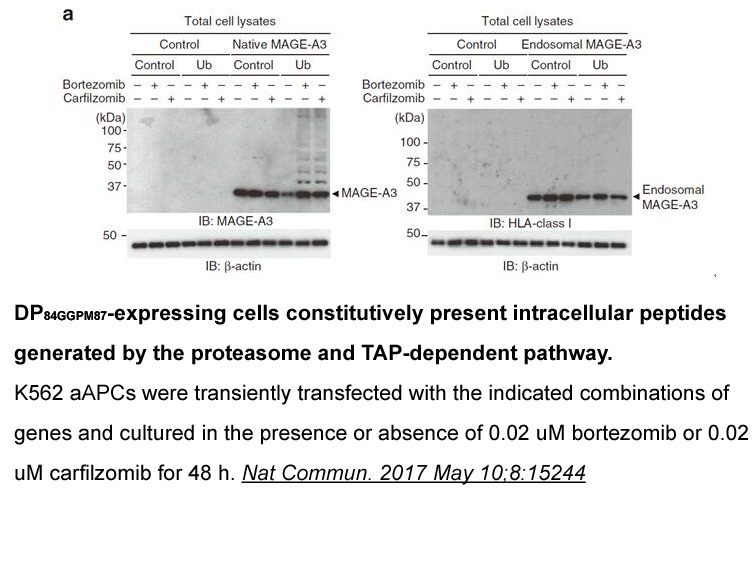
If the factors needed for A-NHEJ are not completely defined and the A-NHEJ reaction mechanism nebulous, it is also fair to say that the biological role(s) of A-NHEJ is even more poorly understood. Most of the current interest in A-NHEJ, however, stems from its implicated use in the chromosomal trans
-
We demonstrated that cells expressing less
2021-04-21
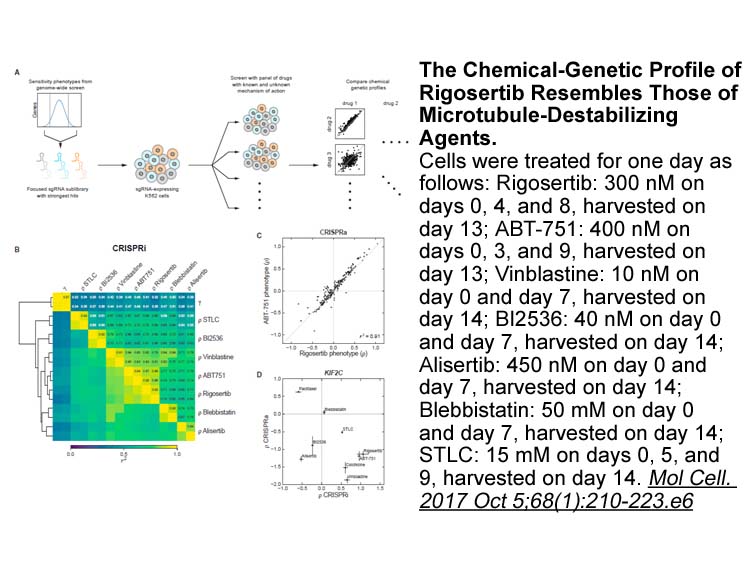
We demonstrated that Lomustine expressing less DHODH were less sensitive to DHODH inhibitors regardless of their oncogenic status. Based on the proliferation speed of cells, Kant et al. (1989), showed that slow-growing squamous cell carcinoma was more sensitive to BQR than fast-growing murine leuke
-
α-Naphthoflavone In order to derive a better understanding o
2021-04-21
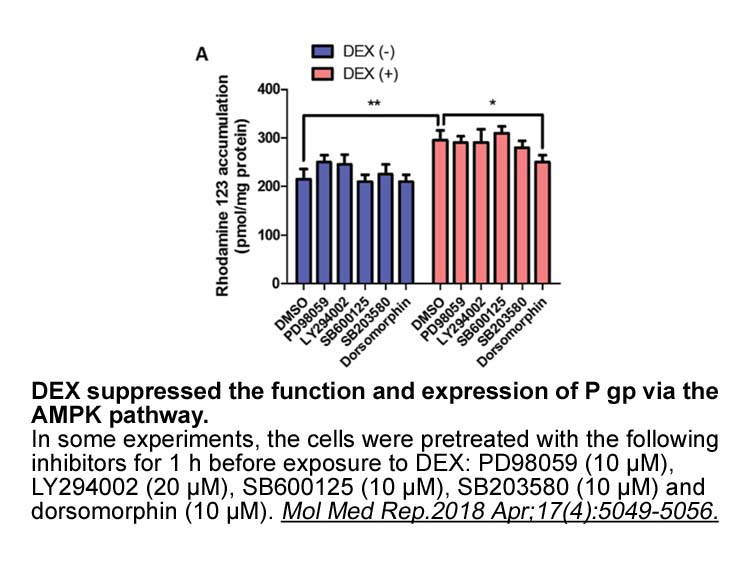
In order to derive a better understanding of the results from our SAR study, we utilized Glide to model the binding of the SAR compounds with the non-active site pocket of TS-DHFR shown in C. The majority of models position the phenolic moiety of these compounds within the non-active site pocket, wh
-
Introduction DHFR is an important
2021-04-21
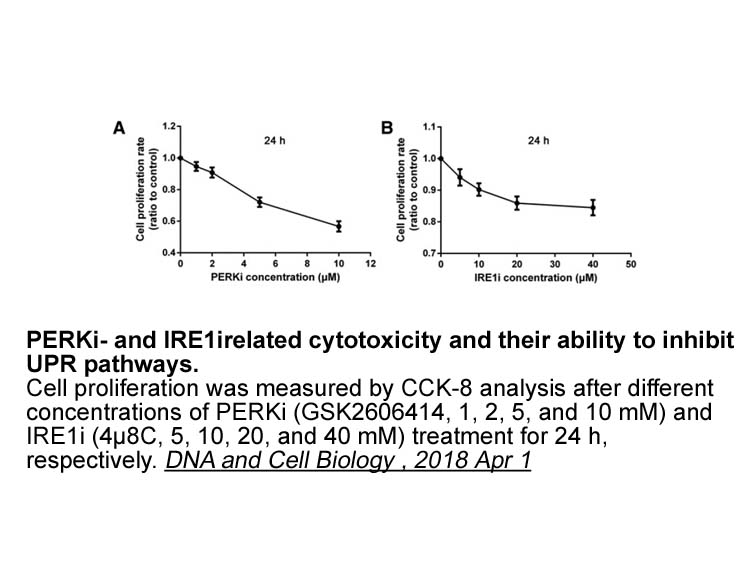
Introduction DHFR is an important enzyme in both mammals and microorganism including Mycobacterium tuberculosis (Mtb). It catalyzes folic RS-1 conversion to dihydro and tetrahydro folic acid which is a crucial step in folate pathway [1]. Inhibition of folate pathway leads to interruption of thymid
16981 records 717/1133 page Previous Next First page 上5页 716717718719720 下5页 Last page