Archives
- 2026-10
- 2026-09
- 2026-08
- 2026-07
- 2026-06
- 2026-05
- 2026-04
- 2026-03
- 2026-02
- 2026-01
- 2025-12
- 2025-11
- 2025-10
- 2025-09
- 2025-03
- 2025-02
- 2025-01
- 2024-12
- 2024-11
- 2024-10
- 2024-09
- 2024-08
- 2024-07
- 2024-06
- 2024-05
- 2024-04
- 2024-03
- 2024-02
- 2024-01
- 2023-12
- 2023-11
- 2023-10
- 2023-09
- 2023-08
- 2023-07
- 2023-06
- 2023-05
- 2023-04
- 2023-03
- 2023-02
- 2023-01
- 2022-12
- 2022-11
- 2022-10
- 2022-09
- 2022-08
- 2022-07
- 2022-06
- 2022-05
- 2022-04
- 2022-03
- 2022-02
- 2022-01
-
The specific mechanisms underlying glutamine
2023-07-25
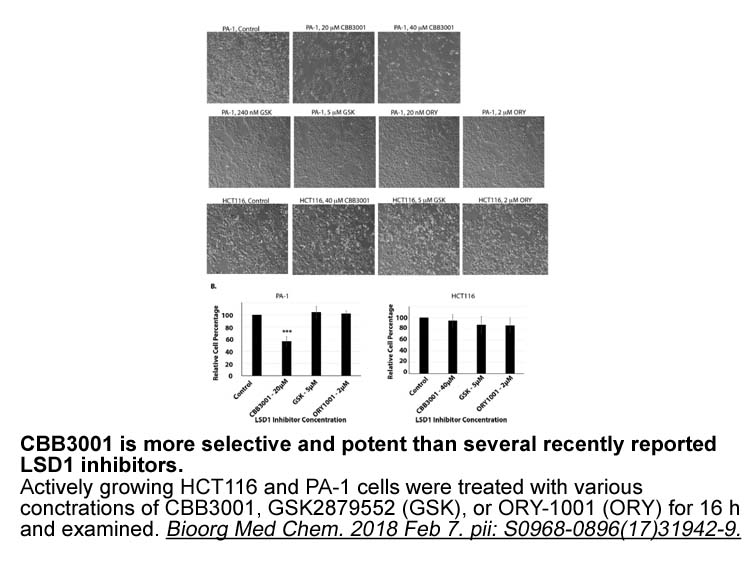
The specific mechanisms underlying glutamine dependency are still being explored, and current research indicates that the mechanisms likely vary between breast cancer subtypes. In HER2-positive breast cancer, increased levels of the transcriptional activator PGC-1α lead to expression of genes that m
-
Notably we have characterized the
2023-07-25
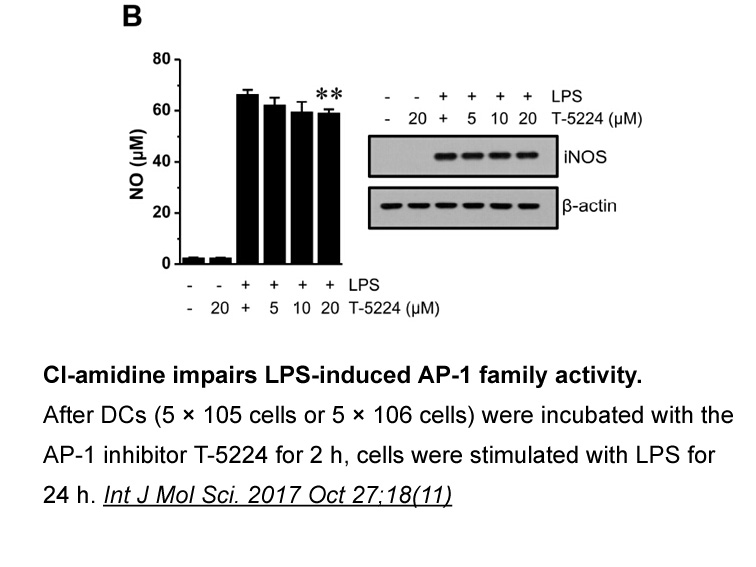
Notably, we have characterized the mechanism of action of ALK in the context of our current understanding of NLRP3 activation [5]. Non-priming macrophages, including BMDMs, exhibit no or minimal activation of NLRP3 in response to ATP. In contrast, LPS priming of macrophages makes them highly suscept
-
Numerous studies have reported high glutamate levels in the
2023-07-25
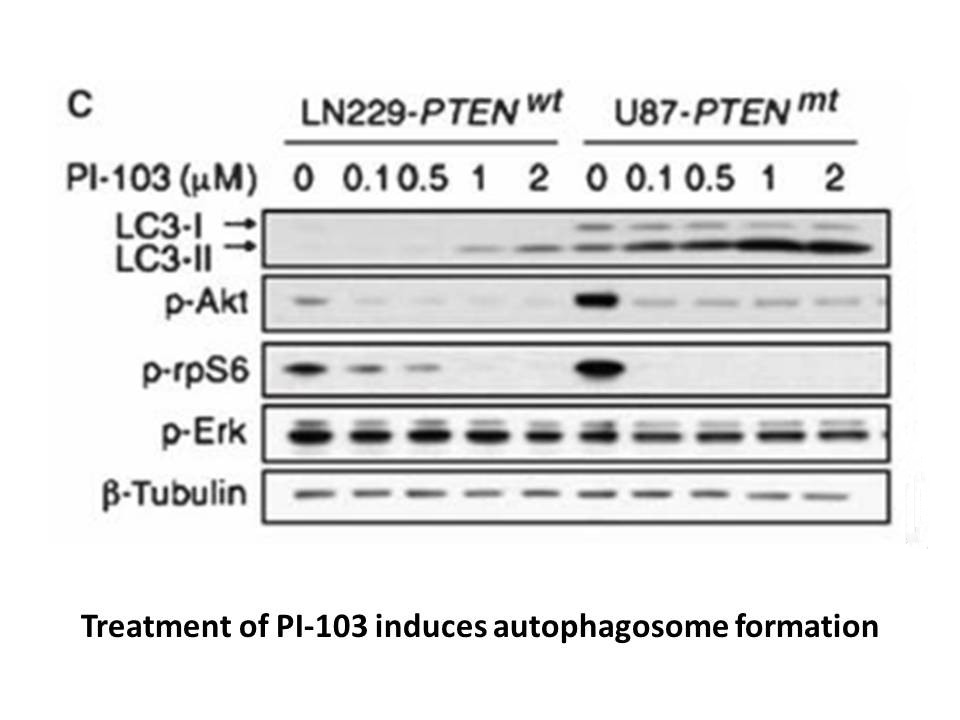
Numerous studies have reported high glutamate levels in the brains of patients with depression, indicating that the glutamate system plays a crucial role in depression (Sanacora et al., 2004; Kendell et al., 2005; Hashimoto et al., 2007). Furthermore, several clinically effective antidepressant drug
-
A more versatile cellular delivery system
2023-07-25
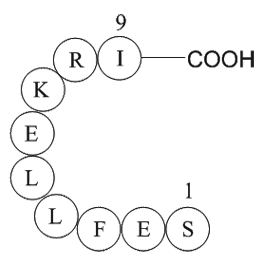
A more versatile cellular delivery system for adenosine was generated by engineering mouse embryonic stem cells to lack both Quinupristin-Dalfopristin Complex mesylate of Adk (Fedele et al., 2004). Using a step-wise differentiation protocol (Okabe et al., 1996) Adk−/− ES cells were differentiated in
-
DL-AP5 Sodium salt br Methods br Results br Discussion br Ac
2023-07-24
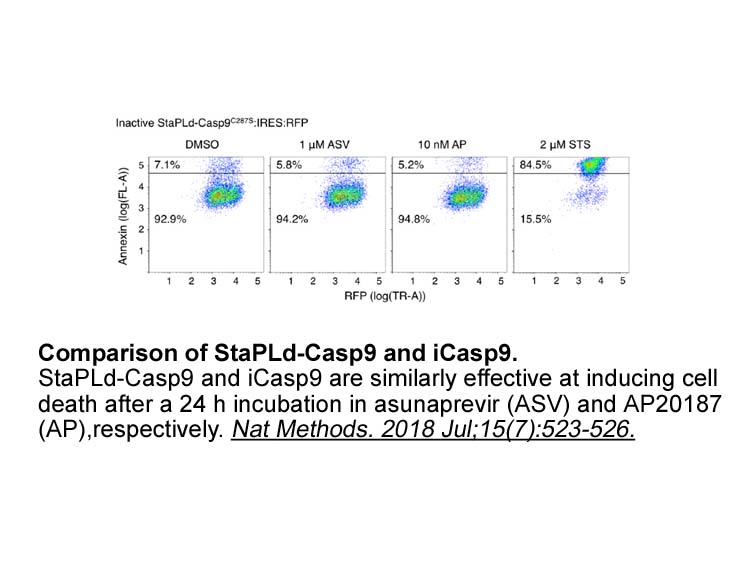
Methods Results Discussion Acknowledgements This work was supported by the National Institutes of Health [Grant R21 NS081429], a Pilot Grant from the Vanderbilt Conte Center supported by the National Institutes of Health [Grant P50 M096972], and by the Department of Anesthesiology at V
-
Introduction Lysophosphatidic acid LPA is a
2023-07-24
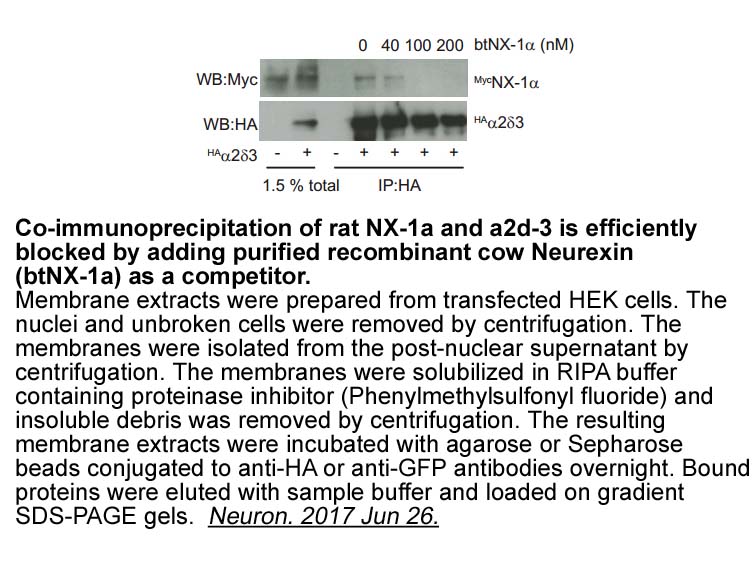
Introduction Lysophosphatidic iib iiia inhibitors (LPA) is a key, serum-borne phospholipid, regulating a number of cellular processes such as proliferation, migration and differentiation through its interaction with G-protein coupled receptors. LPA receptor signaling has been implicated in several
-
In this paper we described
2023-07-24
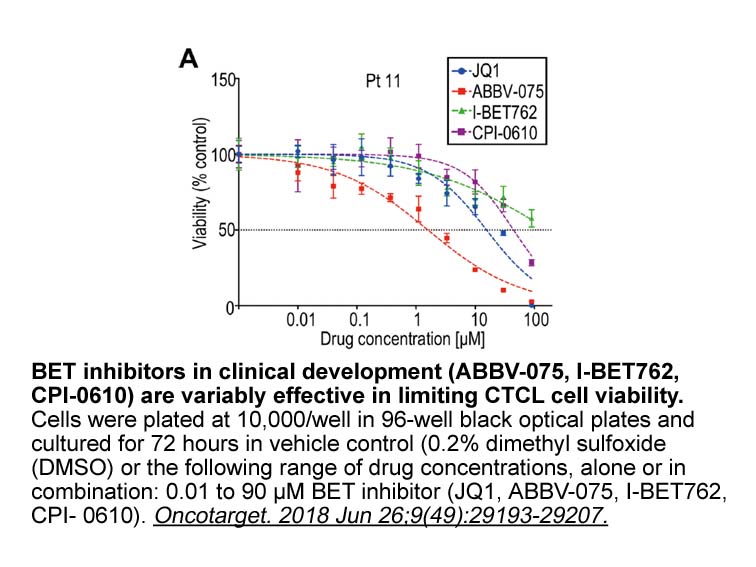
In this paper, we described synthesis, biological evaluation and docking study of 3-aroyl-1-(4-sulfamoylphenyl)thiourea derivatives 4a–o as 15-lipoxygenase inhibitors. Results and discussion Conclusion We designed and synthesized a novel of thiourea derivatives containing phenylsulfonamide mo
-
catalase inhibitor The surprising finding of our study
2023-07-24
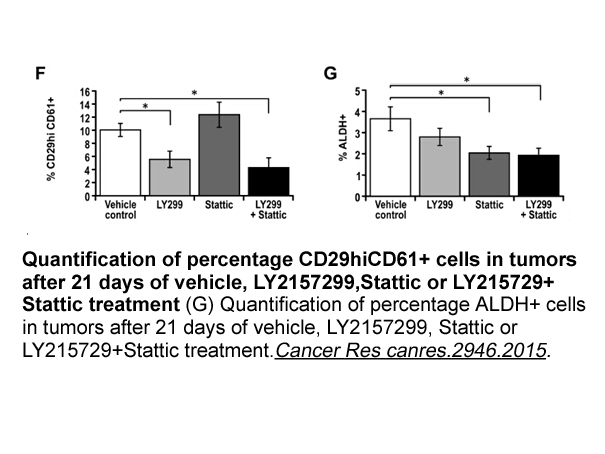
The surprising finding of our study is that human M1 macrophages stimulated by LPS express ALOX15B to high levels. So far 12/15-lipoxygenase activity was only reported for IL-4 stimulated anti-phlogistic M2 macrophages [9] but not for the classically activated M1 macrophages. Our data suggest that s
-
Exposure to cisplatin with ATR inhibitor resulted in an incr
2023-07-24

Exposure to cisplatin with ATR inhibitor resulted in an increase in cisplatin-DNA adducts, especially in cells with ATM deficiency. This finding indicates that suppressing ATR-Chk1 signaling with VE-822 enhances cisplatin activity by enabling the drug to form DNA adducts. Therefore, VE-822 may incre
-
The main function of ATR CHK signaling is activating cell
2023-07-24
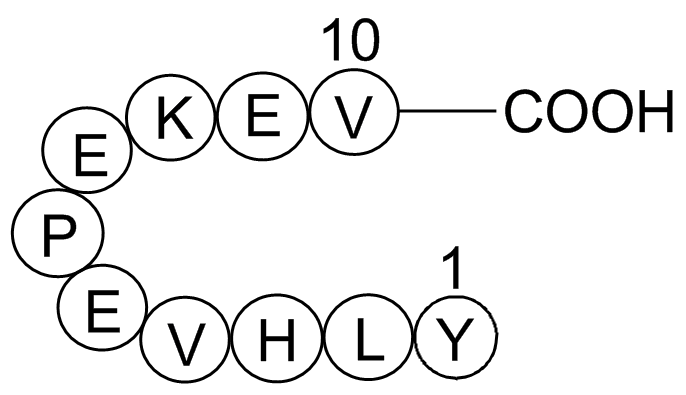
The main function of ATR/CHK1 signaling is activating CGP 35348 checkpoint arrest for S and G2 phases in mammalian cells. There are three checkpoints in response to DNA damage: G1/S, G2/M, and S-phase. The G2/M checkpoint can prevent cells that incur DNA damage in G2 phase or progress into G2 phase
-
SW033291 br Materials and methods br
2023-07-24
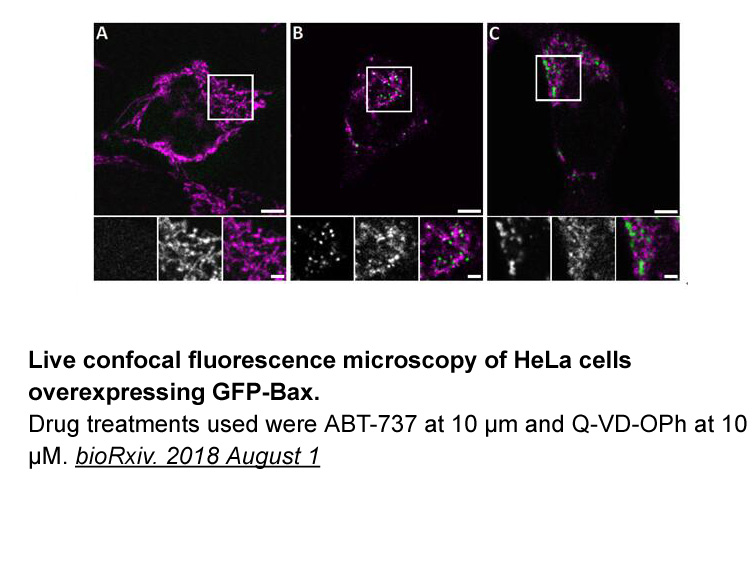
Materials and methods Results Discussion In this study, the orphan receptor GPR25 was cloned from several representative vertebrate species including zebrafish. Although the overall amino SW033291 sequence identity among these species is not high (38–52%), our synteny analysis clearly indi
-
The studies have described that Candida non albicans are
2023-07-24
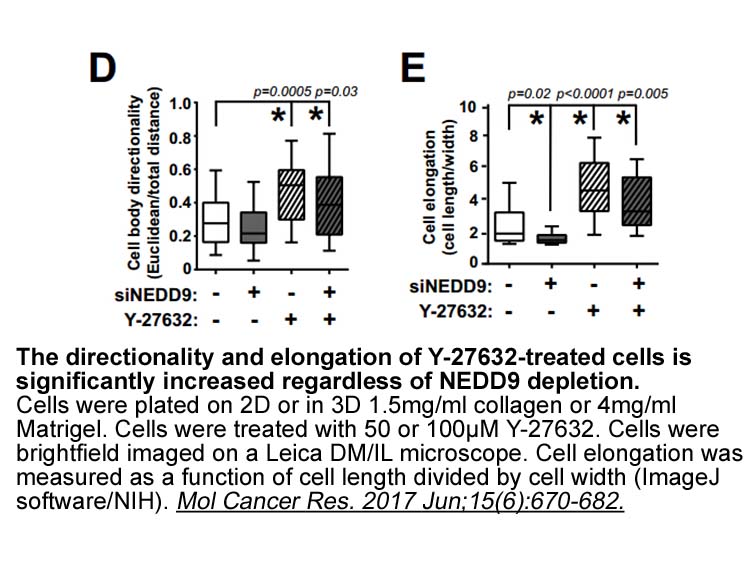
The studies have described that Candida non-albicans are considered as remarkable pathogenic agents of OPC, and among them, C. tropicalis and C. glabrata are known as major strains that may replace C. albicans as the greatest causing agent of this infection [20], [21]. It has been shown that Candida
-
br Concluding Remarks and Future Perspectives Fluorescent an
2023-07-24

Concluding Remarks and Future Perspectives Fluorescent Thiola have helped researchers to elucidate antibiotic MOA and off-target interactions, to screen for new antibiotics, to detect antibiotics in the environment, to track antibiotic uptake throughout cells and organisms, and to detect bacteri
-
The radiographic correlate will be
2023-07-24
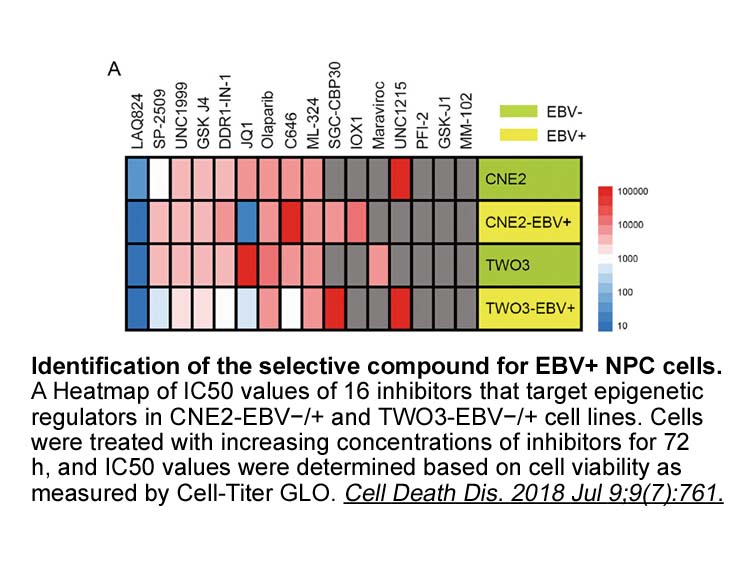
The radiographic correlate will be similarly important for the success of other non-VEGF TKIs, such as those targeting the epidermal growth factor receptor expressed in 50% of high-grade primary N-(p-amylcinnamoyl) neoplasms. It has been reported that icotinib and gefitinib, epidermal growth factor
-
br Introduction Breast cancer is the second most lethal canc
2023-07-24
Introduction Breast cancer is the second most lethal cancer among women, accounting for approximately 40,000 deaths in the United States in 2015 [1]. The prognosis of breast cancer has improved significantly with the identification of immunohistochemical subtypes that predict response to therapy
8732 records 362/583 page Previous Next First page 上5页 361362363364365 下5页 Last page