Archives
- 2026-10
- 2026-09
- 2026-08
- 2026-07
- 2026-06
- 2026-05
- 2026-04
- 2026-03
- 2026-02
- 2026-01
- 2025-12
- 2025-11
- 2025-10
- 2025-09
- 2025-03
- 2025-02
- 2025-01
- 2024-12
- 2024-11
- 2024-10
- 2024-09
- 2024-08
- 2024-07
- 2024-06
- 2024-05
- 2024-04
- 2024-03
- 2024-02
- 2024-01
- 2023-12
- 2023-11
- 2023-10
- 2023-09
- 2023-08
- 2023-07
- 2023-06
- 2023-05
- 2023-04
- 2023-03
- 2023-02
- 2023-01
- 2022-12
- 2022-11
- 2022-10
- 2022-09
- 2022-08
- 2022-07
- 2022-06
- 2022-05
- 2022-04
- 2022-03
- 2022-02
- 2022-01
-
78 7 Optical coherence tomography angiography is another
2023-08-04
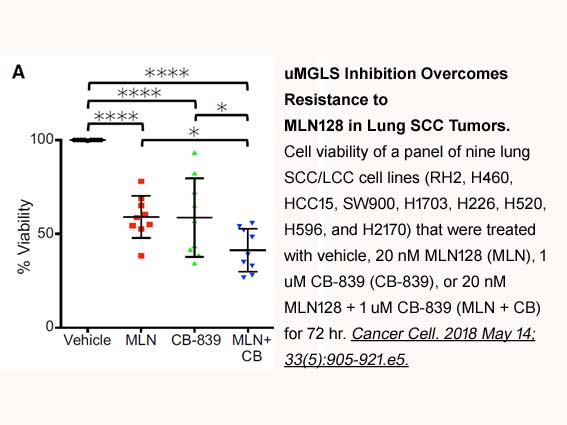
Optical coherence tomography angiography is another promising method for the assessment of corneal neovascularization. This relatively new modality is not yet widely used in part because of current limitations in the definition of images produced, lack of functional information, and inability to det
-
Within the PARP family TIPARP is
2023-08-04
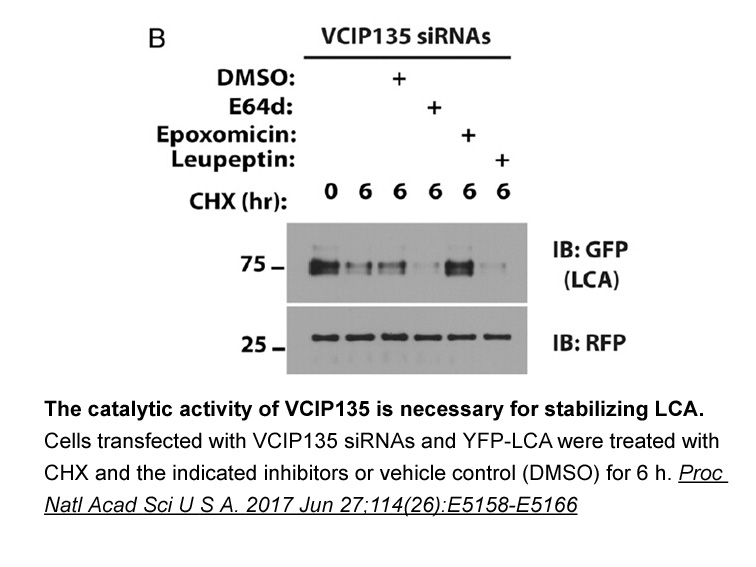
Within the PARP family, TIPARP is most evolutionarily conserved with PARP12 (ARTD12) and PARP13 (ARTD13) [27,28,41]. All three proteins contain at least one RNA-type CCCH zinc finger domain, a poly-ADP-ribose binding WWE domain and a PARP catalytic domain (Fig. 1). PARP13 is catalytically inactive,
-
Pregnane X receptor PXR is a nuclear receptor
2023-08-04
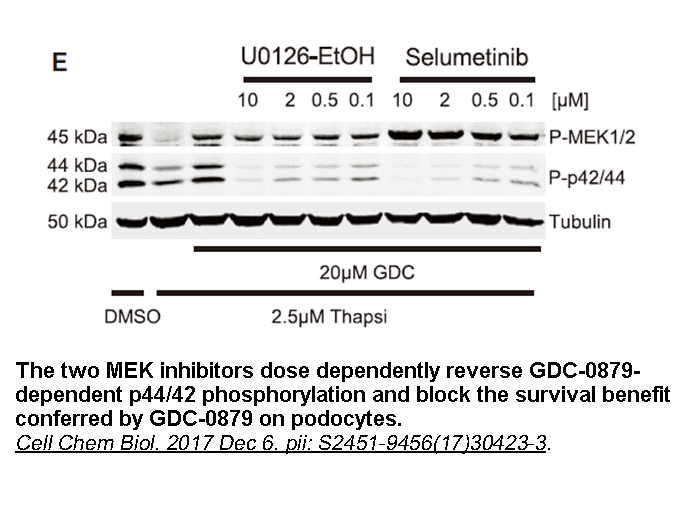
Pregnane X receptor (PXR) is a nuclear receptor that plays an important role in regulation of metabolism and disposition of structurally diverse xenobiotics as well as endogenous steroids and bile acids (Bertilsson et al., 1998, Kliewer et al., 1998, Lehmann et al., 1998). PXR regulates the metaboli
-
Introduction Myasthenia gravis MG is an autoimmune disorder
2023-08-03
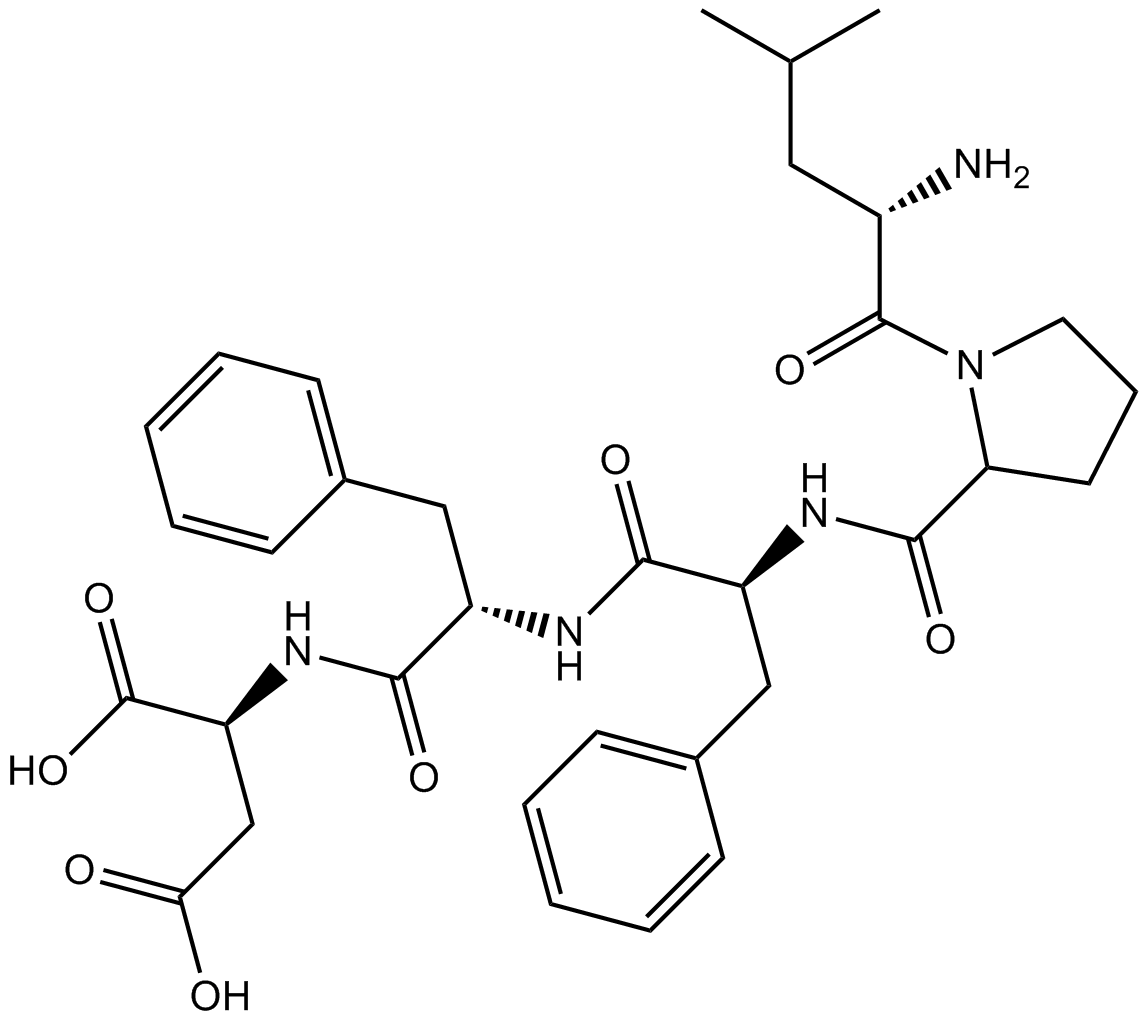
Introduction Myasthenia gravis (MG) is an autoimmune disorder characterized by muscle weakness, which is mainly due to autoantibodies reducing the number or function of postsynaptic atomoxetine hcl receptors (AChRs) [1], [2]. Animal models have been developed to uncover the immunopathogenesis of M
-
br Materials and methods br Results br
2023-08-03

Materials and methods Results Discussion The data presented here demonstrate the important role of B lymphocyte-expressed α7 nAChRs in regulating the antibody immune response. It is shown that, in addition to ACh produced by activated T lymphocytes (Fujii et al., 2012), activated B lymphocy
-
ATM is required for the proper function of the DNA
2023-08-03
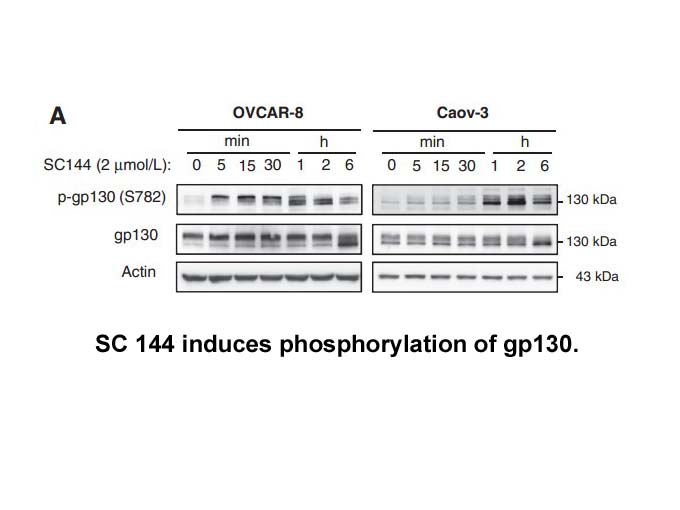
ATM is required for the proper function of the DNA-repair pathway in response to bleomycin-induced DNA damage in mammalian cells [55], [56]. Recent reports suggest that ATM activation by double-strand breaks leads to the subsequent ATR activation [57], [58], [59]. The recruitment of ATR to double-st
-
br Acknowledgment Supported in part by NIH R EB Biegon
2023-08-03
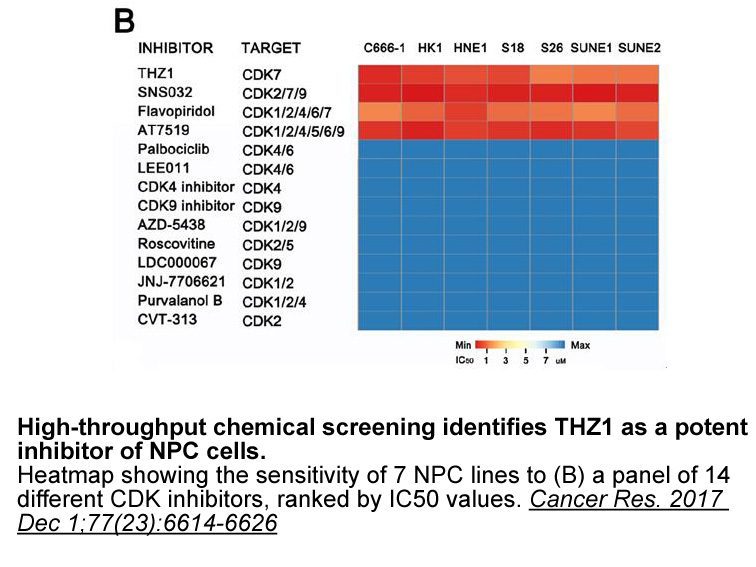
Acknowledgment Supported in part by NIH1R21EB012707 (Biegon, Anat PI). Introduction Estrogens exert pleiotropic effects on a variety of morphological, physiological and behavioral responses in all vertebrate classes ranging from fishes to mammals. Effects of estrogens in the Zotarolimus mg c
-
The mitochondrial protein AIF was the
2023-08-03
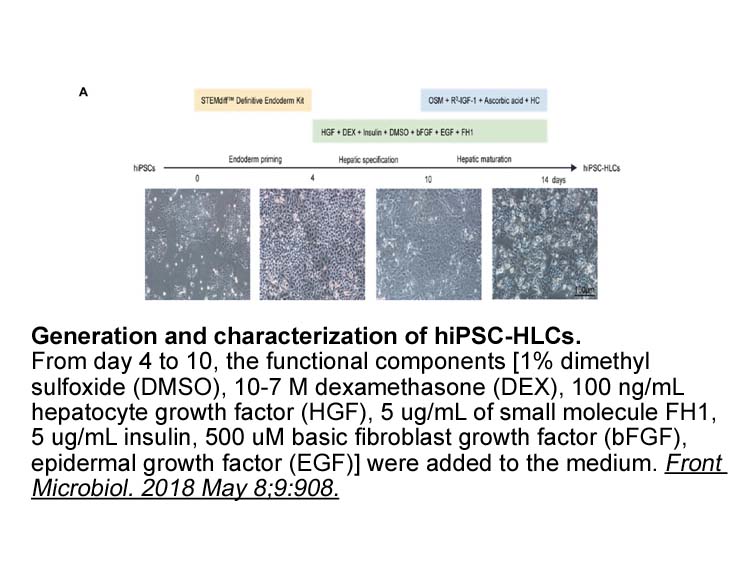
The mitochondrial protein AIF was the first caspase-independent death effector. AIF can induce caspase-independent chromatin condensation and large-scale DNA fragmentation to approximately 50 KB. AIF that is released to cytoplasm can mediate apoptosis when special extracellular signals trigger the o
-
br Genetic analysis of polarity complexes
2023-08-03
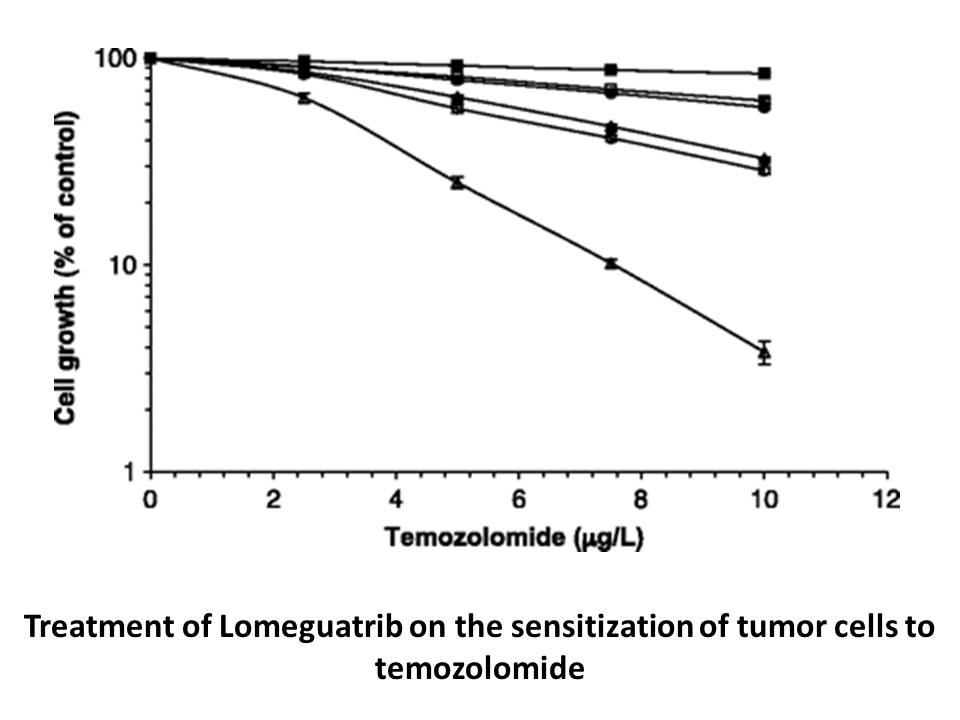
Genetic analysis of polarity complexes Model organisms such as Caenorhabditis elegans and Drosophila melanogaster provide useful means of describing basic biological processes. They lend themselves particularly well to addressing some of the questions arising in this field because of their struct
-
According to the phytochemical screening
2023-08-03
According to the phytochemical screening, Lophira procera is rich in phenolic compounds including total polyphenols, total flavonoids, tannins and proantocianidins. It has been reported that there is a correlation between total polyphenol content and antioxidant activity [29]. The present invention
-
Another class of AMPK regulator
2023-08-02
Another class of AMPK regulator is peptidyl-prolyl cis/trans isomerase (PPIase) NIMA-interacting 1 (Pin1), which binds to a number of proteins and regulates oncogenesis and metabolic diseases (Khanal et al., 2013; Zhou and Lu, 2016). Pin1 has been shown to bind to and inhibit AMPK; therefore, at lea
-
The RE compartment has been
2023-08-02

The RE compartment has been shown to be critical for supplying AMPAR during LTP (Hanley, 2010; Park et al., 2004), but whether they also supply AMPAR for synaptic scaling has been less clear (Gainey et al., 2015; Tan et al., 2015). Interestingly, although an increase in μ3A is necessary for scaling,
-
br Stress glucocorticoids as risk factor for Alzheimer s Dis
2023-08-02
Stress/glucocorticoids as risk factor for Alzheimer’s Disease: preclinical studies A role for glucocorticoids in shaping the risk for AD is supported by animal studies using rats or mice injected with Aβ oligomers, tau protein or excitotoxins, or transgenic (Tg) mice carrying mutations associated
-
Activation of AhR is also known to upregulate the
2023-08-02
Activation of AhR is also known to upregulate the expression of AhRR (AhR repressor), an inhibitor protein of AhR [29]. However, the exact mechanism by which AhRR represses AhR signaling is not well understood. The initial study by Mimura and colleagues suggested that AhRR is capable of directly com
-
Mt a known to be upregulated by ozone Inoue et
2023-08-02

Mt2a, known to be upregulated by ozone (Inoue et al., 2008), was also increased in vehicle-pretreated rats exposed to ozone, however, this effect was markedly reduced by both PROP and MIFE, suggesting that the neuroendocrine response is linked to ozone-induced acute phase protein expression. In huma
8732 records 351/583 page Previous Next First page 上5页 351352353354355 下5页 Last page