Archives
- 2026-09
- 2026-08
- 2026-07
- 2026-06
- 2026-05
- 2026-04
- 2026-03
- 2026-02
- 2026-01
- 2025-12
- 2025-11
- 2025-10
- 2025-09
- 2025-03
- 2025-02
- 2025-01
- 2024-12
- 2024-11
- 2024-10
- 2024-09
- 2024-08
- 2024-07
- 2024-06
- 2024-05
- 2024-04
- 2024-03
- 2024-02
- 2024-01
- 2023-12
- 2023-11
- 2023-10
- 2023-09
- 2023-08
- 2023-07
- 2023-06
- 2023-05
- 2023-04
- 2023-03
- 2023-02
- 2023-01
- 2022-12
- 2022-11
- 2022-10
- 2022-09
- 2022-08
- 2022-07
- 2022-06
- 2022-05
- 2022-04
- 2022-03
- 2022-02
- 2022-01
-
Zn is the second most
2022-01-03
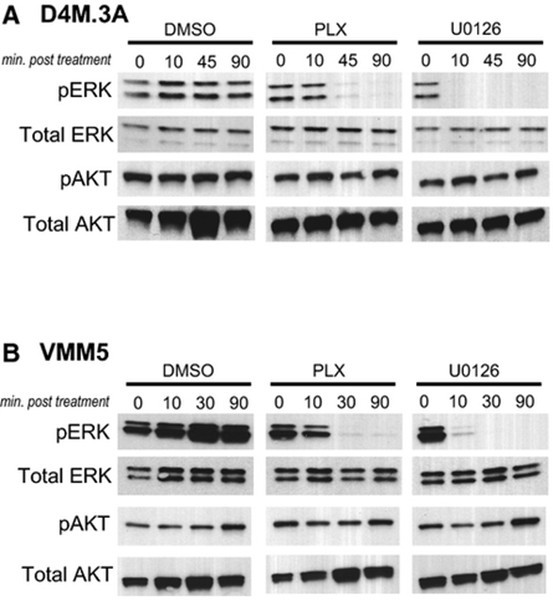
Zn2+ is the second most abundant trace metal in many cells and neurons in the brain. It regulates cellular functions such as gene expression, epigenetic enzymatic activity, protein structural stability, and neuronal plasticity. Zn2+ is particularly abundant in the cortex and limbic system, including
-
Chemotherapeutic approaches to glioblastoma which are highly
2022-01-03

Chemotherapeutic approaches to glioblastoma, which are highly invasive, are still largely unsuccessful and have only a minimal impact on patients’ survival rate . New agents that target the specific molecular aberrations in the tumors are presently being investigated for their efficacy against this
-
br Conclusion Our data allow pharmacological
2022-01-03

Conclusion Our data allow pharmacological discrimination of diverse of H3 simvastatin zocor receptor antagonists that can be linked to their differential efficacy in preclinical and clinical disease settings (Fig. 6). Moreover, we identify the sigma-1 receptor as a common “off target” for H3 anta
-
The stability and function of the HIF protein
2022-01-03
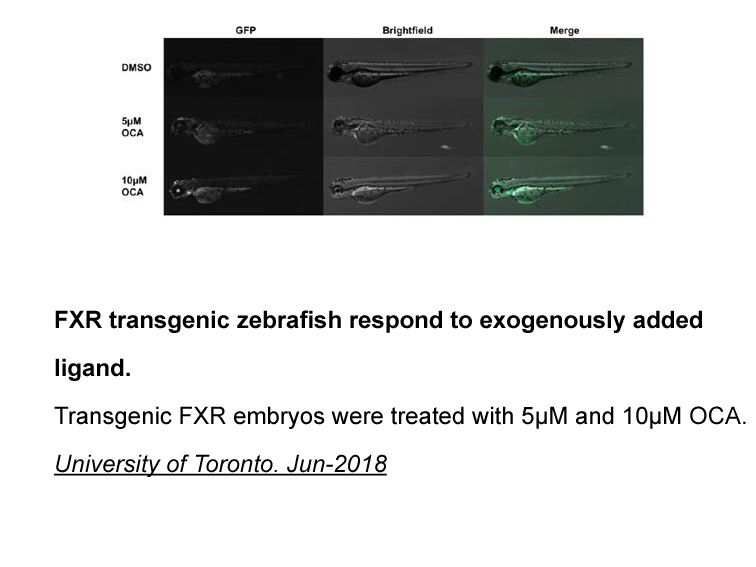
The stability and function of the HIF-1α protein are affected by many post-translational modifications (PTMs), including hydroxylation, acetylation, ubiquitination and SUMOylation [[29], [30], [31]]. It has been shown that HIF-1α stability is regulated by LSD1 [25]; in particular, the Set9 histone m
-
br Introduction Circulating tumor cells
2022-01-03
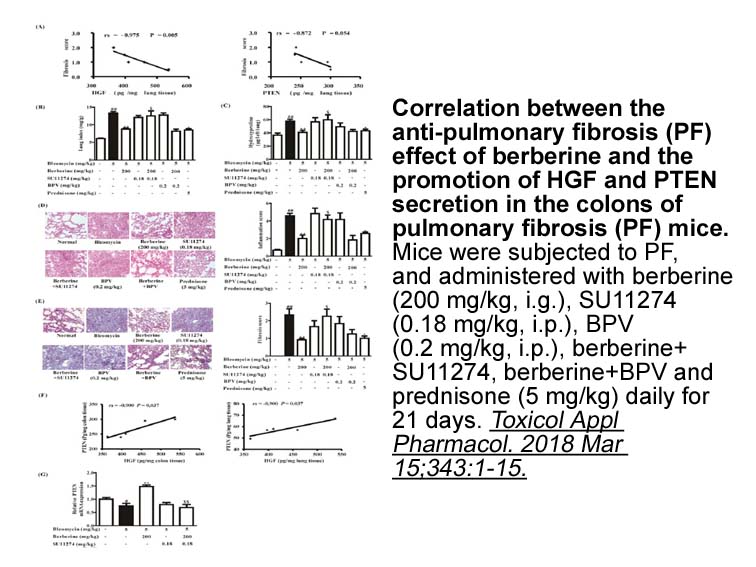
Introduction Circulating tumor beta-Nicotinamide mononucleotide receptor (CTCs) are cancer cells that have invaded blood vessels or lymphatics and are carried around the body by the blood. CTCs constitute potential seeds for metastasis because they can reach and implant into distant organs. The
8690 records 580/580 page Previous First page 上5页 576577578579580